Utility and Control Enclosure Fabrication in Western Canada
Utility and electrification projects rarely buy generic fabrication in the abstract. They buy assembly families: control enclosures, cabinet panels, charger housings, vented covers, bracket sets, tray hardware, and field-replaceable sheet metal. The opportunity for a fabrication shop is to speak the buyer's assembly language rather than leading with process names alone.
What Buyers Usually Need
- Control cabinet shells, access doors, and replacement skins
- Vented or perforated panels for cooling and airflow
- Bracket sets, mounts, and cable-management hardware
- Field-service replacement panels and formed covers
- Hardware-ready parts that can move directly into assembly
Why Enclosures Fit Sheet Metal Capability So Well
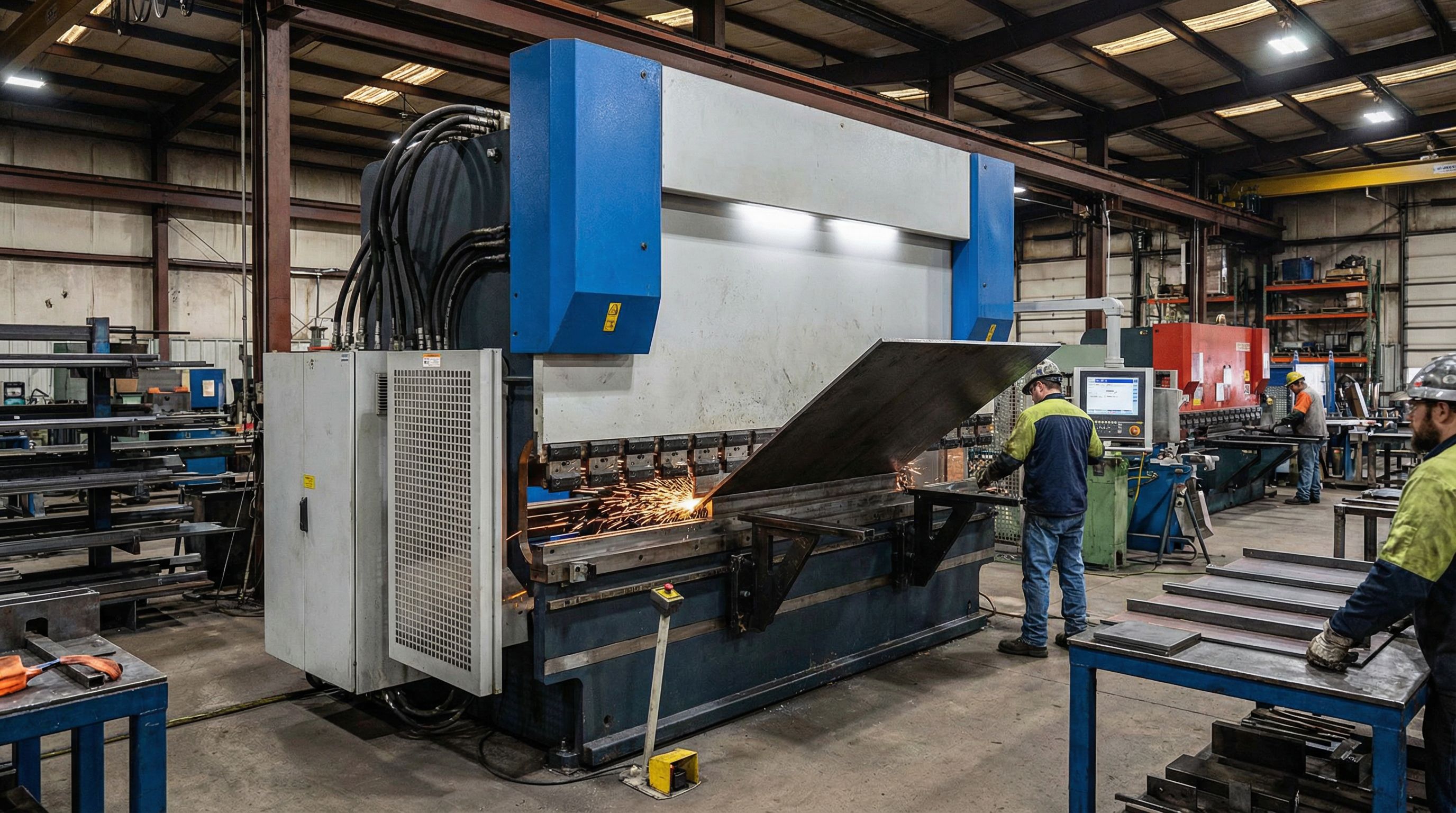
Enclosure work maps directly to core sheet metal operations: flat-pattern cutting, punched or vented features, brake-formed edges, hardware insertion, finishing, and final assembly support. That makes it one of the strongest ways to reposition a fabrication shop toward utility and electrification demand without pretending to manufacture the electrical equipment itself.
Useful RFQ Inputs
- Overall envelope dimensions and mounting orientation
- Material and finish requirements
- Door, access, airflow, and cable-entry needs
- Hardware insertion, labeling, and packaging expectations
- Quantity, delivery region, and replacement-part cadence
How To Keep The Scope Credible
The clearest way to describe this work is fabricated enclosures and support metalwork for utility and power systems — which avoids overpromising on switchgear, transformer, or charger-system manufacturing that falls outside sheet metal fabrication scope.
Regional Fit
Western Canada and the Pacific Northwest are strong regions for this assembly family because utility, charging, telecom-power, and infrastructure contractors all need reliable enclosure and replacement-part suppliers with practical freight reach.